


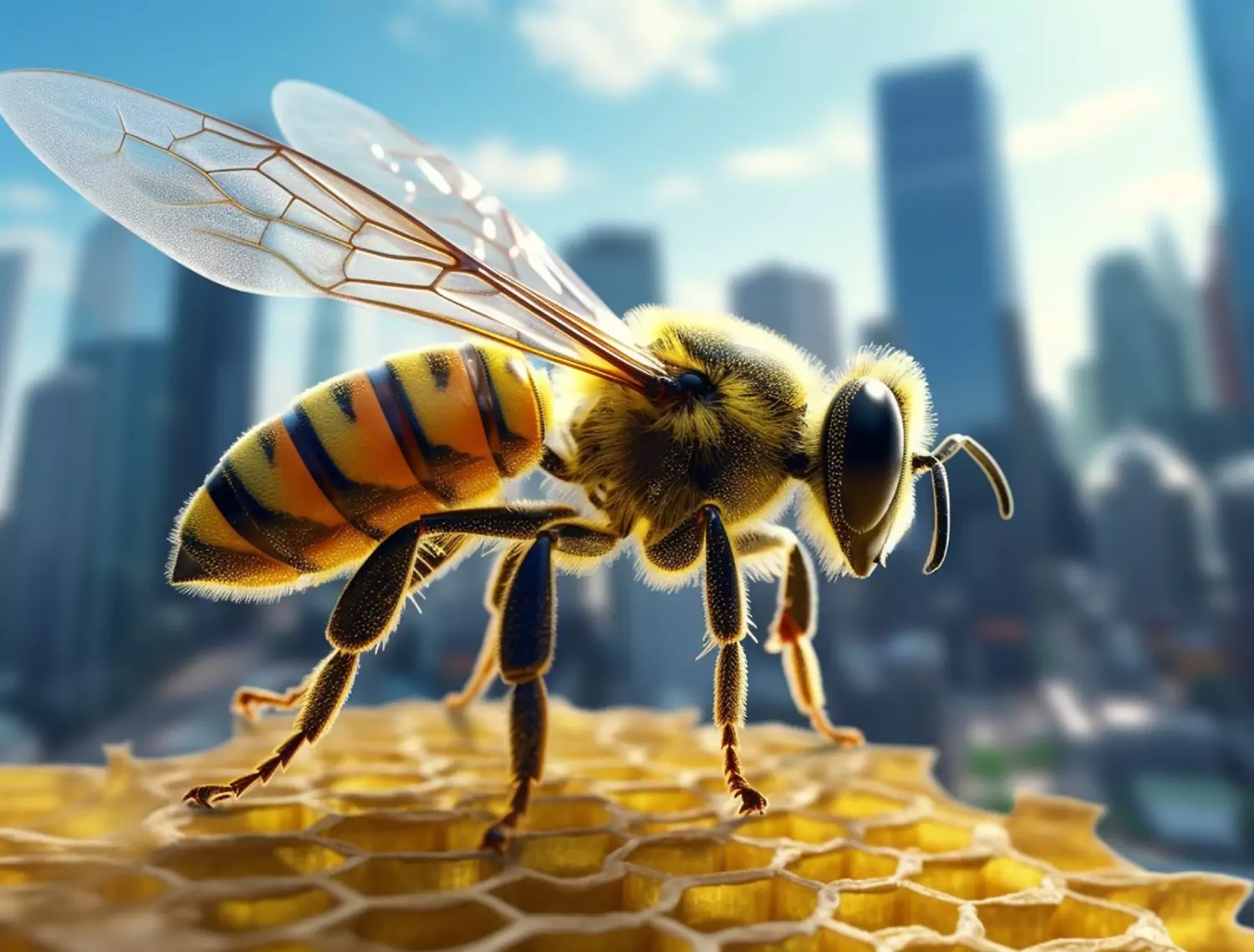
Urban beekeeping is gaining popularity as more city dwellers seek to connect with nature and contribute to local ecosystems. Keeping bees in the city presents unique opportunities and challenges, making it essential to understand how to manage your hive successfully. In this article, we'll explore the fundamentals of urban beekeeping, from the benefits to practical tips for success.
1. The Benefits of Urban Beekeeping
Urban beekeeping offers numerous advantages for both the environment and the beekeepers themselves:
- Pollination: Urban bees help pollinate local plants, gardens, and parks, enhancing biodiversity in the city.
- Fresh Honey: Beekeepers can produce fresh, local honey that contributes to healthier eating and culinary experiences.
- Environmental Awareness: Urban beekeeping raises awareness about the importance of pollinators and encourages sustainable practices.
- Community Engagement: Beekeeping can foster community ties through shared interests and local honey production.
2. Choosing the Right Location
Selecting the right location for your beehive is crucial for success. Consider the following factors:
2.1. Sunlight
- Bees thrive in sunny locations, so choose a spot that receives at least 6-8 hours of sunlight daily.
2.2. Wind Protection
- Locate your hive in a sheltered area to protect it from strong winds, which can disrupt bee activity.
2.3. Access to Forage
- Ensure your bees have access to diverse nectar and pollen sources, such as flowering plants, trees, and nearby gardens.
2.4. Space and Accessibility
- Make sure there’s enough space for hive management and harvesting honey, while also ensuring it's accessible for regular inspections.
3. Understanding Local Regulations
Before starting your urban beekeeping journey, familiarize yourself with local laws and regulations:
- Licenses and Permits: Check if you need any permits to keep bees in your city or neighborhood.
- Hive Density Regulations: Some areas have limits on the number of hives per property, so be sure to comply with these rules.
- Setback Requirements: Understand how far your hives must be from property lines, public areas, and walkways.
4. Selecting Your Beehive
There are various hive types suitable for urban environments:
4.1. Langstroth Hive
The Langstroth hive is popular for its efficiency and ease of management, making it a great option for urban beekeepers.
4.2. Top-Bar Hive
This hive design is more natural and can be easier to manage in smaller spaces. It allows for minimal disturbance to the bees during inspections.
4.3. Warre Hive
The Warre hive is designed for vertical expansion and is another suitable option for urban settings, promoting a more natural living environment for the bees.
5. Best Practices for Urban Beekeeping
To ensure your urban beekeeping venture is successful, follow these best practices:
5.1. Start Small
- Begin with one hive to learn the basics of beekeeping before expanding your apiary.
5.2. Regular Inspections
- Inspect your hive regularly to monitor the health of the bees, check for pests, and manage honey production.
5.3. Use a Bee Suit
- Always wear protective gear when managing your hive to ensure your safety and that of the bees.
5.4. Educate Yourself
- Take beekeeping classes or join local beekeeping associations to learn from experienced beekeepers.
5.5. Be Mindful of Neighbors
- Consider your neighbors' comfort by managing bee behavior and ensuring your hive is well-maintained to minimize swarming and disturbances.
6. Challenges of Urban Beekeeping
While urban beekeeping offers many benefits, it also presents specific challenges:
6.1. Limited Forage
- Urban areas may have fewer flowering plants, so it's essential to create a bee-friendly garden and advocate for more pollinator plants in your community.
6.2. Pesticide Exposure
- Be aware of pesticide use in your area, as it can harm your bees. Work with neighbors to promote pesticide-free practices.
6.3. Space Constraints
- Limited space can make hive management challenging. Ensure your setup is efficient and easy to access.
7. Conclusion
Urban beekeeping is a rewarding and impactful way to engage with nature, support local ecosystems, and produce delicious honey. By understanding the unique challenges and benefits of keeping bees in the city, you can create a thriving beekeeping environment. With careful planning, adherence to local regulations, and a commitment to ongoing education, you can successfully contribute to the well-being of urban pollinators while enjoying the many rewards of beekeeping.