

Beekeeping is a fascinating and rewarding hobby that not only provides honey but also supports the environment by boosting pollination. If you're new to beekeeping and eager to start your own hive, this guide will walk you through the basics, including essential equipment, hive setup, and bee care.
Why Start Beekeeping?
Before diving into beekeeping, it’s important to understand the benefits and responsibilities that come with it. Beekeeping allows you to produce your own honey, beeswax, and other products while contributing to the health of local ecosystems. Bees are critical pollinators for many crops, and by maintaining a hive, you help to support biodiversity and food production in your area.
What You Need to Get Started
Beekeeping requires some essential tools and equipment to ensure a safe and successful start. Here’s a breakdown of what you’ll need:
1. Hive Components
- Beehive: A hive is where your bees will live. The most common type is the Langstroth hive, which is made up of stacked boxes (supers) that contain frames for the bees to build their combs.
- Frames: These are rectangular structures that hold the beeswax combs where bees store honey and raise their young.
- Foundation: Sheets of beeswax or plastic that help guide the bees in building their combs within the frames.
2. Protective Gear
- Beekeeping Suit: A full-body suit made of thick material to protect against bee stings. A veil attached to the suit protects your face.
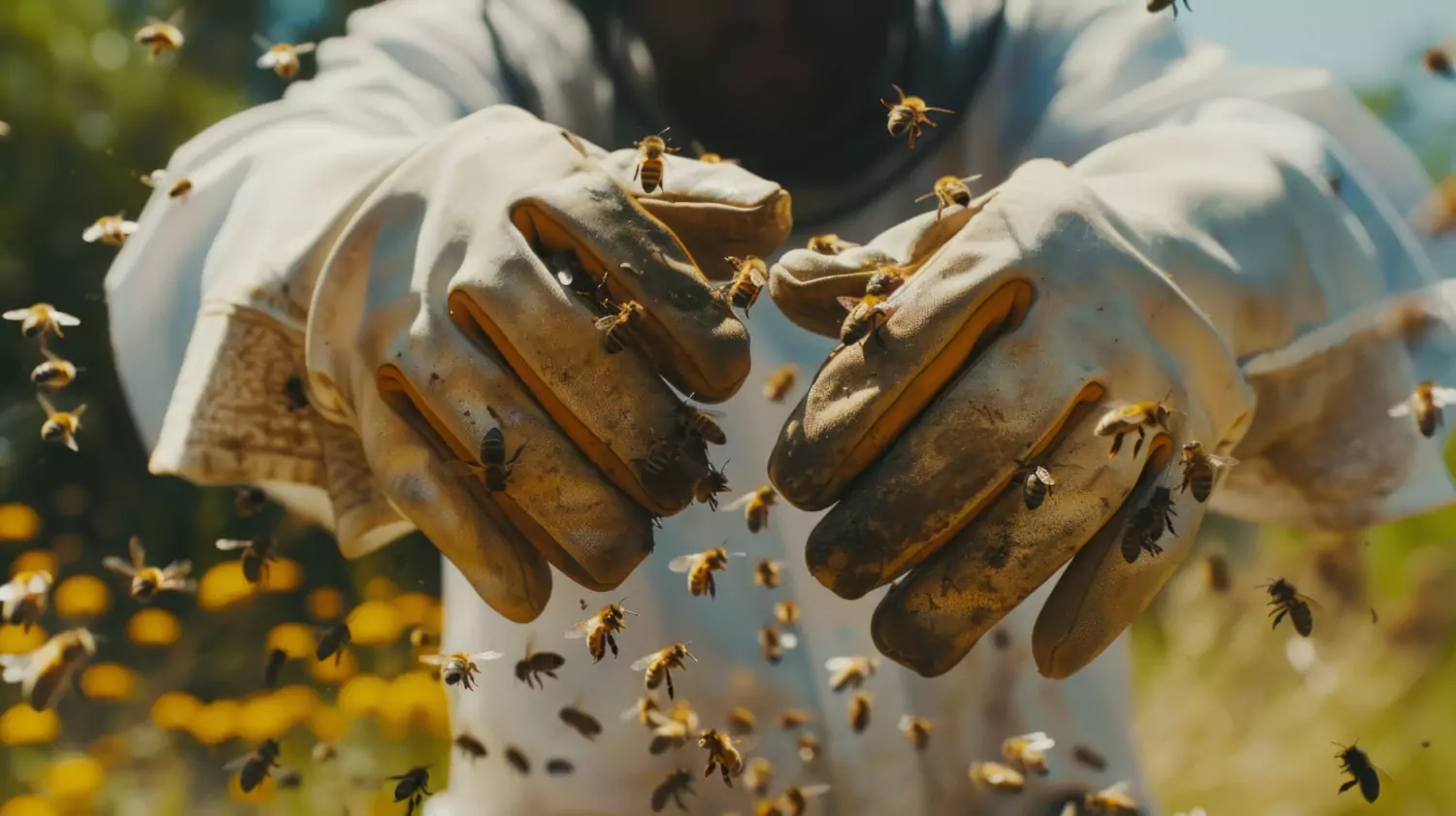
- Gloves: Heavy-duty gloves provide protection for your hands when handling bees.
- Boots: Sturdy boots are recommended to prevent bees from crawling up your legs.
3. Tools
- Smoker: A device that emits smoke to calm the bees and make them less likely to sting when you inspect the hive.
- Hive Tool: A flat, crowbar-like tool used to pry open hive boxes and remove frames.
- Bee Brush: A soft-bristled brush to gently move bees off the frames without harming them.
Choosing the Right Location for Your Hive
Location is key to the success of your beekeeping venture. Your hive should be placed in a spot that offers protection from the wind, good sun exposure, and easy access to a water source. Here are some tips for selecting the ideal location:
- Place the hive in an area that gets morning sun to help warm the bees early in the day.
- Ensure the hive is sheltered from strong winds to prevent the bees from being disturbed.
- Make sure there’s a nearby source of water, as bees need water to cool the hive and dilute honey.
- Keep the hive away from high-traffic areas to avoid disturbing the bees and to minimize the risk of stings.
Acquiring Your Bees
Once your hive is set up, it's time to introduce the bees. There are a few options for obtaining bees:
- Purchase a Nucleus Colony (Nuc): This is a small colony of bees with a queen, worker bees, and a few frames of brood (developing bees). It's a great option for beginners as it's already an established colony.
- Package Bees: These are bees sold in bulk, typically without frames. You’ll need to install them into your hive and give them time to build comb and adjust to their new environment.
- Catching a Swarm: If you're adventurous, you can catch a wild swarm of bees. However, this requires experience and knowledge of bee behavior.
Feeding Your Bees
Bees may need supplemental feeding, especially in the early stages when they are building their colony or during times when natural nectar is scarce. Sugar syrup is the most common food supplement, made by mixing sugar and water in a 1:1 ratio. Be sure to place the syrup in a feeder inside the hive, so it is easily accessible for the bees.
Monitoring and Maintaining Your Hive
Regular hive inspections are crucial to maintaining a healthy colony. Inspect your hive every 7-10 days during the warm months to check for issues like pests, diseases, and the health of the queen. Here’s what to look for during an inspection:
- Queen Health: Make sure the queen is laying eggs regularly. If you don’t spot her, look for fresh eggs or larvae as a sign of her presence.
- Pest Control: Be on the lookout for mites, beetles, or other pests that can harm your colony. If you notice signs of infestation, take action promptly with appropriate treatments.
- Honey Stores: Check how much honey the bees are producing. If the stores are low, consider feeding them with sugar syrup.
Harvesting Honey
One of the most exciting parts of beekeeping is harvesting honey. It’s important not to harvest too early or take too much, as bees need honey for their own survival, especially during winter. Typically, the first honey harvest can occur in late summer or early fall. Use a bee escape or fume board to gently remove bees from the frames before extracting honey.
Preparing for Winter
As the colder months approach, your bees will need help preparing for winter. Reduce the hive entrance to prevent drafts and pests from entering. Ensure the bees have enough honey stored to last them through the winter (around 60-80 pounds of honey per hive is a good target). In colder climates, you may need to add insulation to the hive to keep the bees warm.
Conclusion
Starting a beekeeping journey can be incredibly rewarding, but it requires careful planning, patience, and attention to detail. By understanding the basics of hive setup, bee care, and seasonal maintenance, you’ll be well on your way to becoming a successful beekeeper. Remember, bees are resilient creatures, but they still need your guidance to thrive. Good luck, and happy beekeeping!