


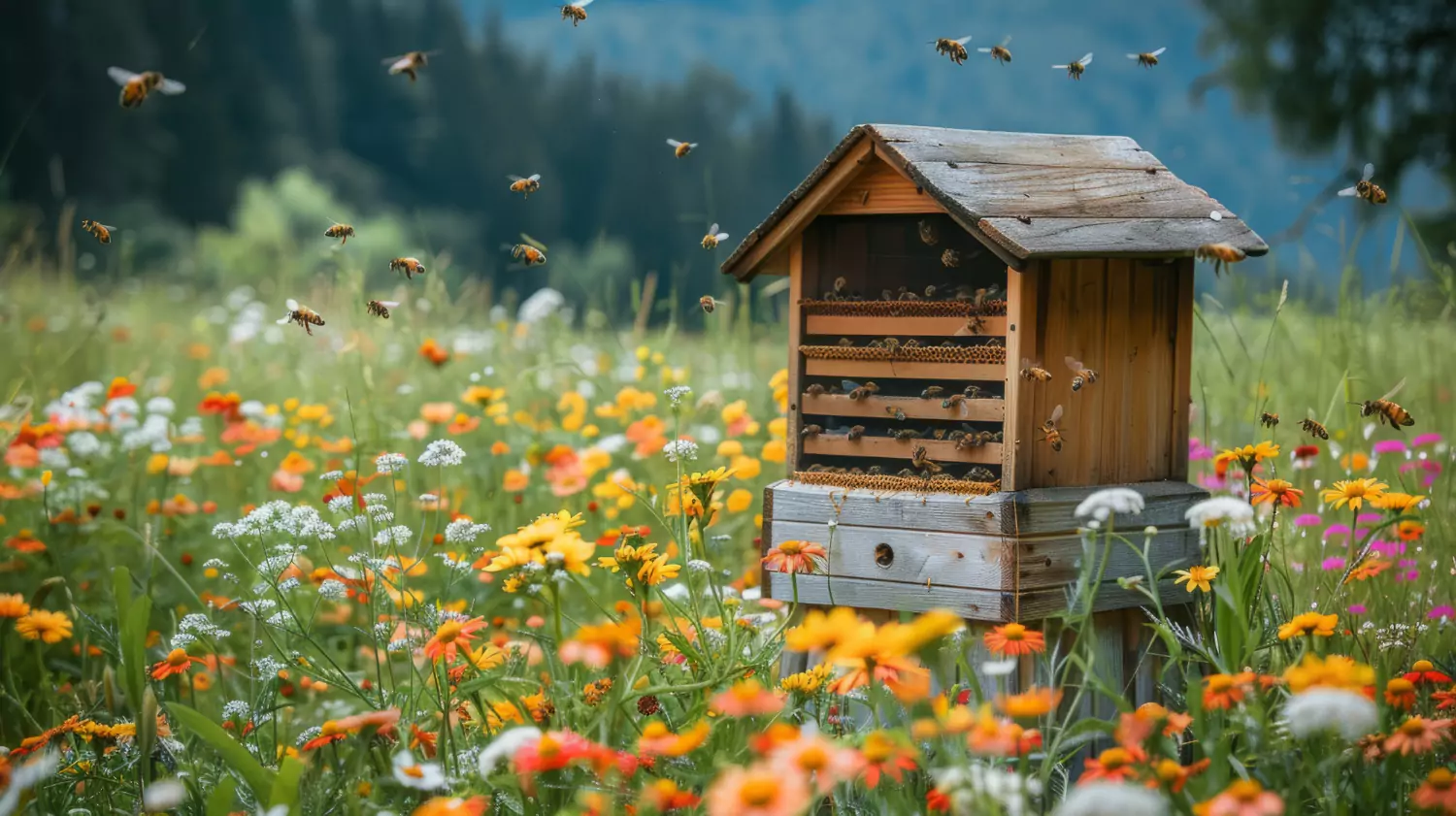
Creating a bee-friendly garden is not only beneficial for bees but also for the overall health of your garden and local ecosystem. Bees play a vital role in pollinating plants, which helps maintain biodiversity and supports the production of fruits, vegetables, and flowers. If you want to attract and support bees, planting the right flowers is key. In this article, we’ll explore the best bee-friendly plants to grow in your garden to ensure a thriving environment for these important pollinators.
Why Plant Bee-Friendly Flowers?
Bees rely on flowers for food in the form of nectar and pollen. However, habitat loss and pesticide use have severely reduced the availability of wildflowers, making it harder for bees to find food. By planting bee-friendly flowers, you can provide bees with the essential resources they need to thrive and help combat the decline in bee populations.
Best Types of Plants for Bees
Bees are attracted to a wide variety of flowers, especially those that are rich in nectar and pollen. The best plants for bees have open or tubular blooms, which make it easy for them to access the nectar. Additionally, bees are particularly drawn to flowers in shades of blue, purple, yellow, and white. Here are some of the best types of plants you can grow to attract bees:
1. Lavender (Lavandula)
Bloom time: Late spring to summer
Color: Purple, blue
Lavender is a favorite among bees due to its fragrant flowers and high nectar content. It’s a hardy plant that thrives in sunny, well-drained areas and requires minimal maintenance. The long-lasting blooms make it an excellent addition to any bee-friendly garden.
2. Sunflowers (Helianthus)
Bloom time: Summer to early fall
Color: Yellow, orange
Sunflowers are not only beautiful but also provide ample nectar and pollen for bees. These towering plants create a striking visual display in your garden and are highly attractive to pollinators.
3. Coneflower (Echinacea)
Bloom time: Summer to early fall
Color: Purple, pink, white
Coneflowers are known for their vibrant colors and spiky centers. They are drought-resistant and easy to grow, making them a great option for bee-friendly gardens. Bees, butterflies, and other pollinators flock to coneflowers for their abundant nectar.
4. Bee Balm (Monarda)
Bloom time: Summer
Color: Red, pink, purple, white
Bee balm is aptly named, as it’s one of the top plants for attracting bees. This colorful, aromatic perennial produces tubular flowers that are perfect for bees and hummingbirds alike. Plant bee balm in sunny areas for the best results.
5. Borage (Borago officinalis)
Bloom time: Spring to early fall
Color: Blue, purple
Borage is an herb with star-shaped blue flowers that bees can’t resist. It’s known for producing a high quantity of nectar, making it a reliable food source for bees throughout the growing season. Additionally, borage is a great companion plant in vegetable gardens, as it helps improve soil quality.
6. Black-Eyed Susan (Rudbeckia)
Bloom time: Summer to early fall
Color: Yellow, orange
Black-eyed Susan is a native wildflower that is well-loved by bees and other pollinators. Its bright yellow blooms provide ample nectar, and it’s a hardy, drought-tolerant plant that thrives in a variety of garden conditions.
7. Catmint (Nepeta)
Bloom time: Spring to summer
Color: Lavender, blue
Catmint is a resilient perennial that produces clusters of small lavender flowers. Bees are drawn to its long-blooming flowers, and it’s a low-maintenance plant that can thrive in dry, sunny spots.
Tips for Creating a Bee-Friendly Garden
In addition to planting the right flowers, there are several other ways you can make your garden more attractive and supportive of bees:
- Plant in Clusters: Group flowers of the same species together to create larger patches of color. Bees prefer visiting flowers in clusters rather than individual blooms spread out across the garden.
- Provide Water: Bees need water, especially in hot weather. Provide a shallow dish with pebbles or rocks so they can land and drink safely.
- Avoid Pesticides: Pesticides can harm bees, even in small amounts. Use natural pest control methods and avoid spraying chemicals on or near flowering plants.
- Plant for All Seasons: Choose a variety of plants that bloom at different times throughout the year to ensure a consistent source of nectar for bees.
- Provide Shelter: Leave areas of your garden wild or install bee hotels to provide solitary bees with safe nesting sites.
Conclusion
By incorporating bee-friendly plants into your garden, you can create a vibrant and welcoming environment for pollinators. Not only will you help support local bee populations, but you’ll also enhance the beauty and productivity of your garden. With the right selection of plants and a few thoughtful gardening practices, you can make your garden a haven for bees while enjoying the benefits of their essential work.