


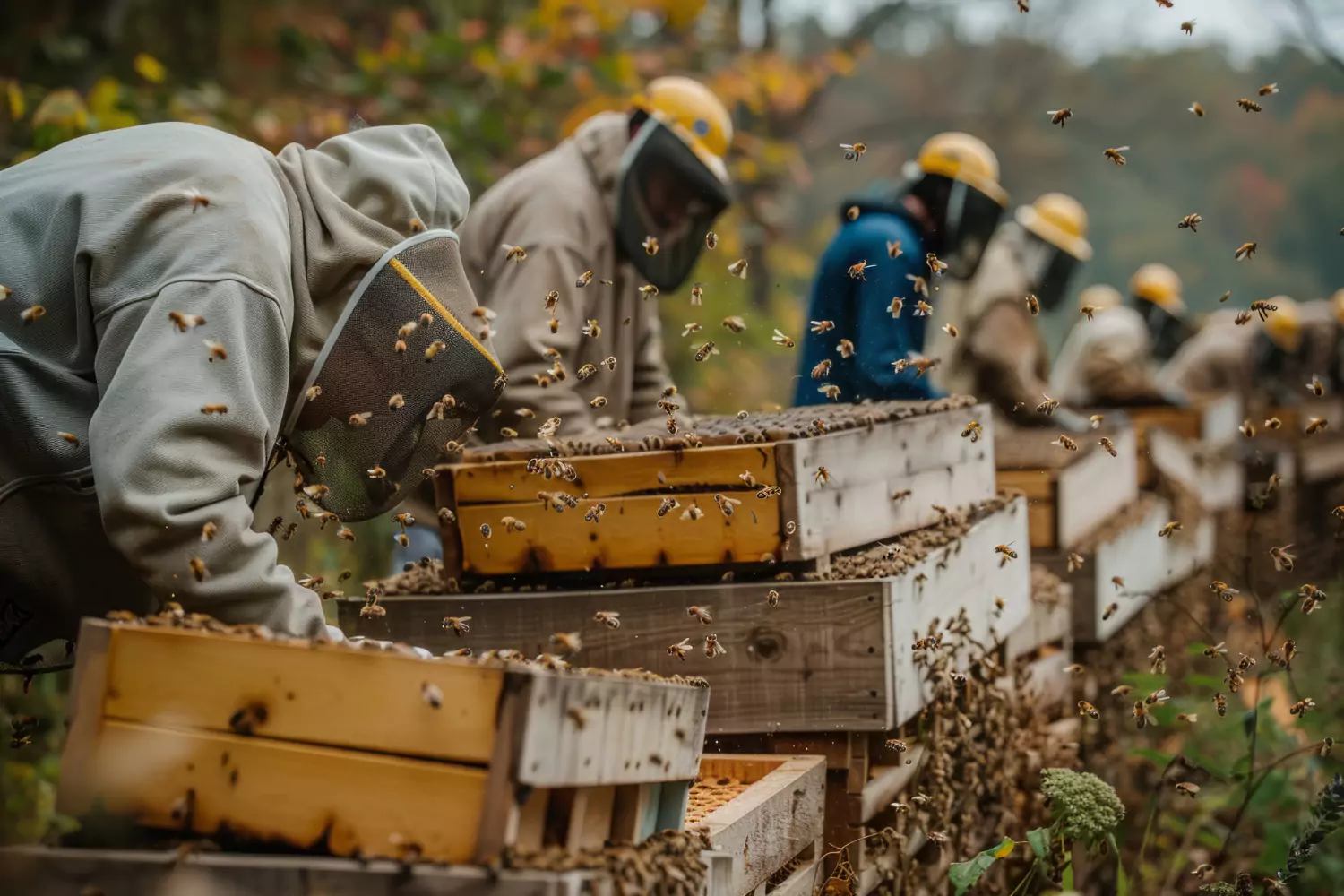
Starting a beekeeping journey can be exciting, but like any new endeavor, it comes with challenges. Many beginners unknowingly make mistakes that can affect the health of their bees and the success of their hive. In this guide, we’ll cover the top 10 mistakes new beekeepers make and provide tips on how to avoid them.
1. Not Researching Enough Beforehand
Beekeeping requires knowledge and preparation. Many beginners jump in without thoroughly researching what’s involved, from bee behavior to hive management.
How to Avoid: Before starting, read books, watch videos, and join local beekeeping clubs to learn from experienced beekeepers. Educating yourself will help you avoid costly mistakes down the road.
2. Starting with Only One Hive
New beekeepers often make the mistake of starting with just one hive. While it may seem easier, it can limit your learning and make troubleshooting more difficult if something goes wrong.
How to Avoid: Start with at least two hives. This way, you can compare their progress and even swap resources like brood or honey if one hive struggles.
3. Ignoring Local Regulations
Some new beekeepers forget to check local regulations about beekeeping. Every region has different rules regarding hive placement, the number of hives, and neighbor safety.
How to Avoid: Contact your local government or beekeeping association to understand any rules or permits required before setting up your hive.
4. Poor Hive Placement
Placing a hive in the wrong location can cause issues with the bees’ ability to forage, access water, or protect themselves from the elements.
How to Avoid: Choose a location that gets morning sun, is sheltered from wind, and has easy access to water. Avoid placing the hive in high-traffic areas to minimize bee-human interactions.
5. Not Inspecting the Hive Regularly
Beginners sometimes inspect their hive too infrequently, leading to undetected problems like pest infestations, swarming, or queen issues.
How to Avoid: Inspect your hive every 7-10 days during the active season. Look for signs of disease, pests, and ensure the queen is laying eggs properly.
6. Overfeeding or Underfeeding Bees
New beekeepers often struggle with feeding their bees at the right times. Overfeeding can attract pests, while underfeeding can lead to colony starvation.
How to Avoid: Feed your bees sugar syrup in the early spring if nectar sources are scarce, but avoid overfeeding once natural nectar is abundant. Make sure your bees have enough honey stored for winter.
7. Harvesting Too Much Honey
It’s tempting to harvest as much honey as possible, but bees need a certain amount to sustain themselves, especially during winter.
How to Avoid: Always leave at least 60-80 pounds of honey in the hive so your bees have enough food to survive the winter months.
8. Not Providing Enough Ventilation
Poor hive ventilation can lead to moisture buildup, mold, and the spread of diseases in the hive.
How to Avoid: Ensure your hive has proper ventilation, especially during humid or rainy seasons. You can tilt the hive slightly forward to allow moisture to escape and use screened bottom boards for airflow.
9. Mishandling the Queen
The queen is the heart of the hive, and mishandling her during inspections can lead to her injury or death, which may cause the colony to collapse.
How to Avoid: Be gentle when inspecting the hive, and avoid excessive handling of the queen. Always use a hive tool and bee brush to move bees carefully.
10. Not Preparing for Winter
New beekeepers often fail to prepare their hives for winter, leading to colony losses due to cold temperatures, pests, or lack of food.
How to Avoid: Winterize your hive by reducing the entrance, ensuring there is enough stored honey, and providing insulation if necessary. Monitor the hive during winter to check on food levels and moisture.
Conclusion
Beekeeping can be a fulfilling and enjoyable hobby, but it comes with a learning curve. By being aware of these common mistakes and taking steps to avoid them, you’ll set yourself up for success as a new beekeeper. Remember, patience and continuous learning are key to becoming a skilled and confident beekeeper. Happy beekeeping!